Treating adult acne starts with working out what is behind it. In the UK, hormonal changes are one common factor for many adults, and women in particular, alongside stress, ongoing congestion, some medicines and skincare products, and the mix differs from person to person. A routine that cleared your skin at seventeen may do little for the same skin twenty years on.
That is why effective acne treatment for adults usually begins with an assessment and not another product swap. At Medcura, our acne treatment in Stanmore starts with that assessment, so any plan is built around your skin and the pattern of your breakouts.
How is Adult Acne Different From Teenage Acne?
Adult and teenage acne share the same basic process of blocked pores, oil, bacteria and inflammation. Where they differ is in where breakouts appear, what sets them off and how the skin recovers.
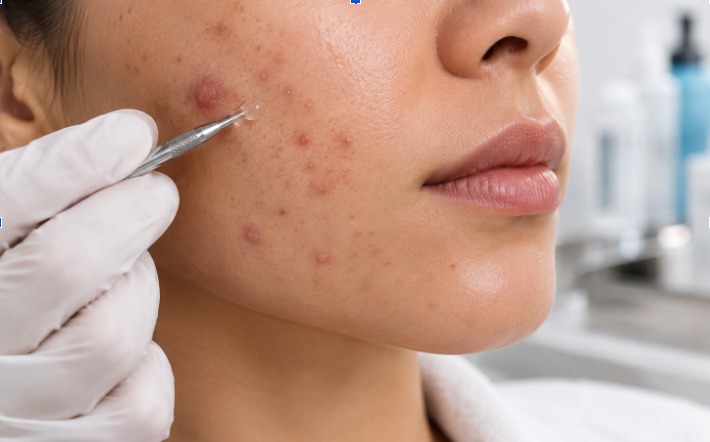
Where it shows up: Teenage acne often appears across the forehead, nose and chin. Adult acne, especially in women, more often clusters along the jawline, chin and lower face, although it can appear anywhere. Where spots appear is a useful clue, but on its own it does not show what is causing them.
What drives it: Acne at any age is linked to androgens, the hormones that stimulate the skin’s oil glands. In teenagers, the rise in these hormones during puberty is the main trigger. In adults, flare-ups are often linked to hormonal fluctuations, though stress, medicines and skincare can also contribute, and the cause is not always hormonal. Many adults with acne have hormone levels within the normal range, and their skin simply reacts more strongly to them.
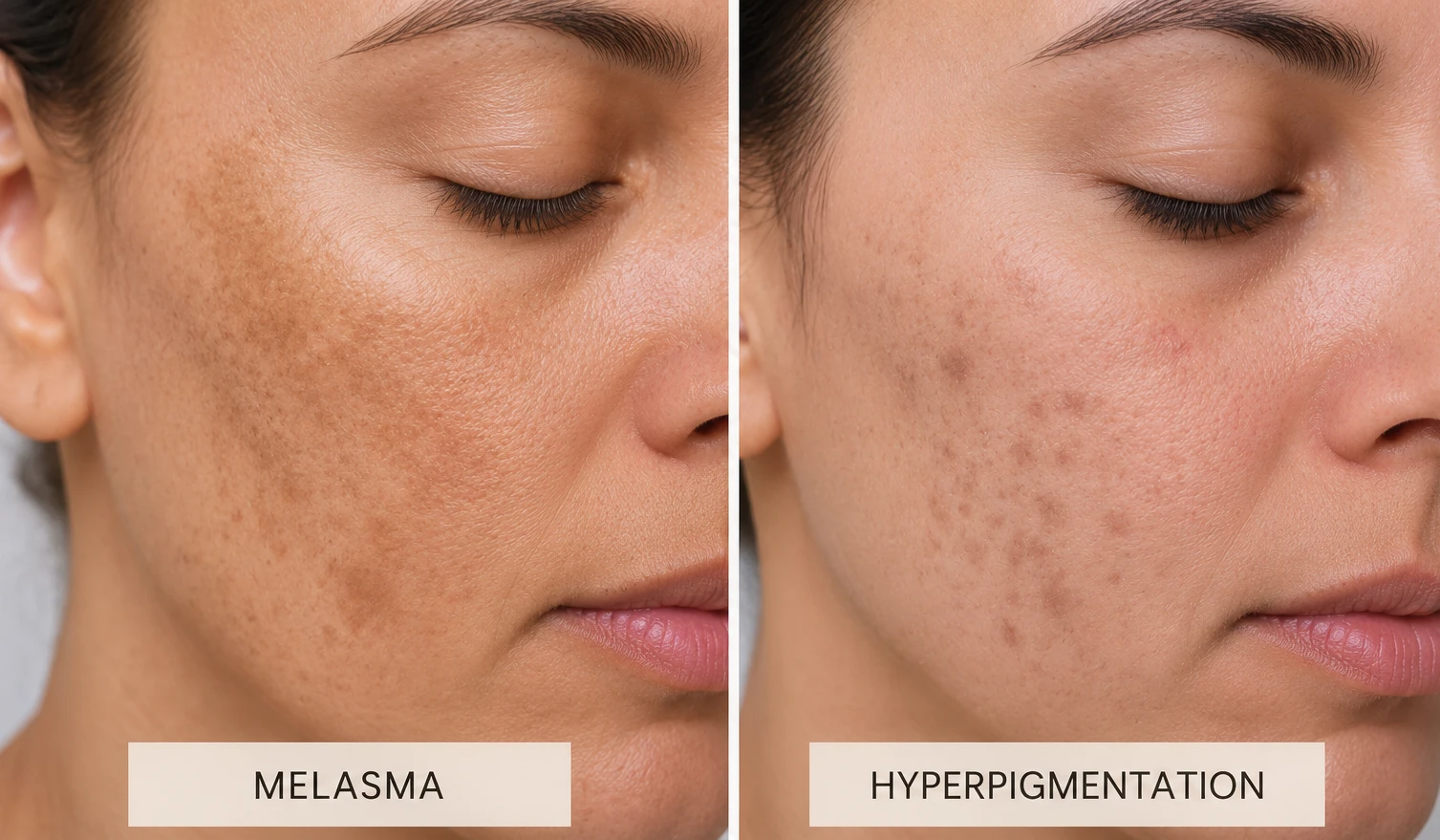
How it heals: How long marks left by inflamed spots take to fade varies from person to person. Skin tone, how inflamed the spot was and sun exposure all play a part. Deeper skin tones are more prone to the darker patches known as post-inflammatory hyperpigmentation, and unprotected sun exposure can darken and prolong them.
How long treatment takes: Acne treatments need time at any age. The NHS advises that treatments can take 2 to 3 months to work, so switching products every few weeks rarely gives any of them a fair chance.
Adult acne is more common in women, but men get it too. When we see a new patient at Medcura, we look at the location and timing of breakouts alongside your history, routine and medicines, because no single clue confirms what is driving them.
Can Hormonal Changes Cause Adult Acne?
Androgens are one of several drivers of adult acne. The skin converts some testosterone into a more potent form, dihydrotestosterone, inside the oil glands. That is one reason skin can react strongly even when blood hormone levels are normal. Breakouts often appear on the lower face and jawline, although location alone does not confirm a hormonal cause.
Hormonal shifts around the menstrual cycle, pregnancy, perimenopause, or starting or stopping hormonal contraception can all trigger flare-ups. So can conditions such as polycystic ovary syndrome (PCOS). The NHS also lists family history, some medicines and heavy or oil-based cosmetic products as possible contributors.
If your acne comes with irregular periods, excess facial or body hair, or thinning hair on the scalp, see your GP. These can be signs of PCOS or another hormonal condition that needs medical assessment. Our team at Medcura asks about these patterns during a consultation and will recommend a GP visit where it is the right first step.
Does Stress Trigger Adult Acne Flare-Ups?
Stress is not thought to cause acne on its own, but it can make existing acne harder to settle. Stress hormones, including cortisol, are linked to higher oil production and inflammation. A 2003 study of university students published in Archives of Dermatology found that acne became more severe during exam periods, and the researchers linked this to stress levels.
For someone already prone to hormonal breakouts or congestion, ongoing stress can be part of why the skin never quite calms down between flare-ups. Medcura consultations cover sleep, stress and diet alongside your current skincare for this reason, and lifestyle guidance is built into the acne clearing programme.
What Are the Best Treatment Options for Adult Acne?
The right acne treatment depends on how severe your acne is and what is driving it. Established first-line options for adult acne include benzoyl peroxide, topical retinoids and combination therapies. Mild acne may improve with over-the-counter products containing benzoyl peroxide or salicylic acid, or with a topical retinoid, which helps stop pores from blocking and which a pharmacist or prescriber can advise on. Combination therapy, where benzoyl peroxide is paired with a retinoid or a topical antibiotic, is often used when acne is more inflamed or has not responded to a single product. Moderate or persistent acne often needs prescription treatment, such as a stronger topical retinoid or a prescribed combination.
Professional treatments and lifestyle support can help reduce congestion and breakouts and improve skin clarity.
How Medcura’s Acne Clearing Programme Works
Our acne clearing programme in Stanmore is a structured plan for active acne, congestion and post-acne inflammation. It combines in-clinic treatment with care at home, because what you do between sessions affects how your skin responds.
- Four acne peel sessions:
Peels exfoliate the surface layers of the skin, and the formulation and strength are chosen for your skin and acne type at each stage.
- Medical-grade acne skincare kit:
Provided at the start of the programme to help control breakouts and support the skin barrier at home.
- Supplement protocol:
A targeted plan designed to support skin health and help reduce inflammatory flare-ups.
- Personalised diet and lifestyle plan:
Guidance on internal triggers that may be contributing to your breakouts.
Medcura is an award-winning acne clearing clinic, recognised for its work with complex acne cases. The programme aims for steady improvement over the course of treatment.
Start With the Acne Clearing Programme, Not Another Product
Not sure what is behind your breakouts? Adult acne tends to respond best when treatment follows the cause, and finding the cause means looking properly at your skin, your history and your routine. If your acne has outlasted a fair trial of first-line treatments such as benzoyl peroxide and topical retinoids, our acne treatment in Stanmore begins with a consultation.
We’ll assess whether the Acne Clearing Programme is the right starting point for you. Book a consultation with Medcura to discuss your options.
FAQs
Why am I still getting acne in my 30s or 40s?
Adult acne can be linked to hormonal changes, stress, medicines and cosmetics. Irregular periods or excess hair growth may indicate hormonal causes requiring GP advice.
What is the most effective acne treatment for adults?
There is no single best treatment. Options depend on severity and cause, from benzoyl peroxide and topical retinoids to combination prescriptions and clinic treatments.
Should I see a GP or a skin clinic for adult acne?
See your GP for severe, painful or scarring acne. For persistent mild to moderate acne, Medcura can assess whether clinic treatments or skincare are suitable.
Can adult acne leave scars?
Yes. Deep or inflamed acne is more likely to scar, while picking increases risk. Dark marks called post-inflammatory hyperpigmentation can also remain after spots heal.