All melasma is hyperpigmentation, but not all hyperpigmentation is melasma, and that distinction changes the treatment more than most people realise. At Medcura, we see this mix-up often: patches assumed to be sun damage turn out to be melasma, and melasma assumed to be untreatable turns out to be manageable once the approach is right. The difference between melasma and pigmentation is not always obvious to the eye, but it matters for what should happen next.
How We Treat Hyperpigmentation
Hyperpigmentation is the umbrella term for any patch of skin that has darkened through extra melanin. It covers a range of causes: sun damage and age spots, post-inflammatory hyperpigmentation left behind by acne or injury, and ordinary freckling. These are the most common types of hyperpigmentation Medcura sees day to day, and, melasma aside, most respond well to fairly standard pigmentation treatment.
At Medcura Skin Care Clinic, general hyperpigmentation is addressed through pigmentation treatment, matched to what is causing it:
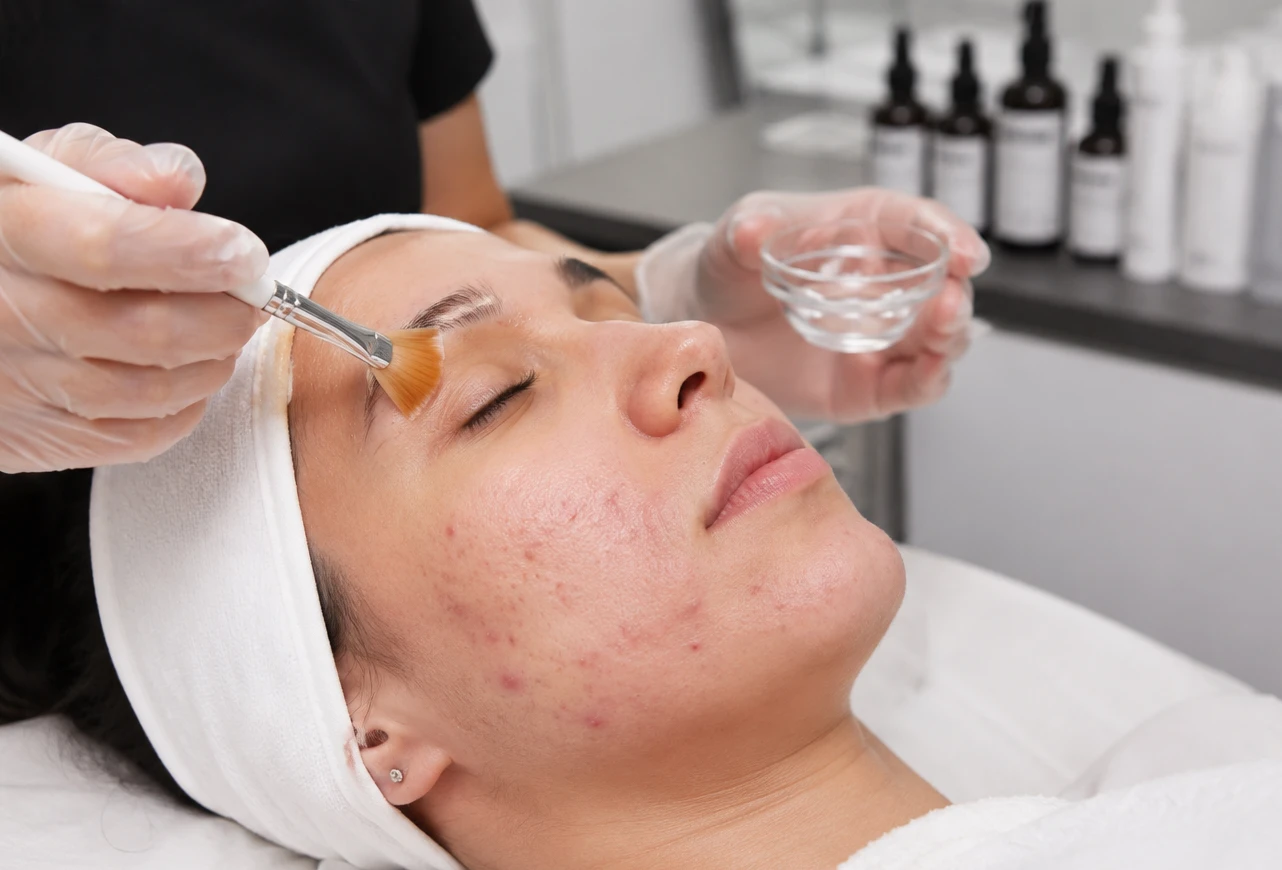
Sun damage and age spots: Usually treated with a chemical peel, such as The Perfect Peel with Mini Booster or the Obagi Blue Peel with LED, using controlled exfoliation to lift surface pigment
Post-inflammatory hyperpigmentation: Typically treated with microneedling and ASCE+ exosomes, working at a deeper level without heat
Confirmed at consultation: Your type of pigmentation is identified before any treatment is chosen, never assumed from how it looks.
Why Melasma Needs a Different Approach
Melasma looks similar to other hyperpigmentation at a glance, but it behaves differently underneath. It tends to appear symmetrically, on both cheeks, the forehead, or the upper lip. Its main drivers sit inside the body rather than on the surface: hormonal activity, particularly during pregnancy or on contraception, alongside sun exposure, heat, and inflammation. Those drivers are ongoing; melasma tends to recur, even after it appears to have cleared.
Because of that, Medcura treats melasma through a dedicated four-session programme rather than a single treatment, addressing the skin and its triggers together:
Combination in-clinic sessions: A planned mix that may include microneedling, injectable therapy, skin boosters, and controlled TCA peels, working at different depths rather than relying on one method
Prescription skincare: A prescription Obagi skincare regime to support the skin between sessions
Internal support: Targeted supplementation and nutritional guidance, since melasma is less likely to settle while its internal triggers are active
Confirmed before starting: Consultation checks that what looks like melasma actually is, since some pigmentation that resembles it is really sun damage or post-inflammatory marks that need a different treatment
The programme is done after pregnancy and breastfeeding rather than during, and a daily commitment to SPF is part of it, since melasma darkens quickly with sun and heat.
How Melasma Differs from Hyperpigmentation
The melasma vs hyperpigmentation question usually comes down to a few practical signs, though assessment is what confirms it. Since what causes melasma sits mostly inside the body rather than on the surface, a self-check only gets you so far.
| Hyperpigmentation | Melasma | |
| Pattern | One-sided, or a single patch | Symmetrical: both cheeks, forehead, or upper lip |
| Trigger | Traceable to something specific: a sunburn, a healed spot, an injury | Often tied to pregnancy, contraception, or another hormonal shift |
| Over time | Stays roughly the same once it appears | Fades and returns, especially with sun or heat |
Get the Right Diagnosis
Melasma and general hyperpigmentation can look nearly identical, but they come from different places and need different treatment, which is why the same product or peel rarely fixes both. If you have been dealing with patches that will not shift or that keep fading and returning whatever you try, that frustration is usually a sign the wrong thing has been treated. Ready for a proper answer? Book a skin assessment with Medcura rather than guessing any longer.
FAQs
Can melasma be removed permanently?
No. Melasma is managed rather than cured, since the hormonal and other internal triggers behind it do not simply switch off. With a consistent maintenance plan and daily SPF, most people keep it well controlled at Medcura over the long term.
What causes melasma?
Mainly hormonal activity, such as pregnancy, contraception, and hormone replacement, alongside sun exposure, heat, and inflammation. It rarely has a single cause, which is why we look at your full picture at Medcura before building a plan.
Can I treat melasma with the same peel used for sun damage?
Not in the same way. Stronger peels can worsen melasma, so Medcura uses gentler, controlled TCA peels within the Melasma Clearing Programme rather than the stronger options used for sun damage or freckling. Matching the treatment to the actual condition is what protects the result.
What are the most common types of hyperpigmentation besides melasma?
Sun damage, post-inflammatory hyperpigmentation from acne or injury, and ordinary freckling are the most common types of hyperpigmentation we see at Medcura. All three behave differently from melasma, and usually clear more quickly, once properly assessed and matched to the right treatment.