Yes, acne treatment can work, but it tends to work best when it matches the type and severity of your acne and is given enough time. For mild to moderate acne, the NHS points to pharmacy treatments such as benzoyl peroxide and adapalene first, and says many acne treatments can take 2 to 3 months to start working. Acne also does not stop at eighteen. One UK community survey found clinical facial acne in 12% of women and 3% of men over the age of 25, as reported in a 2018 review of adult acne.
Many people in that position have tried more products than they can remember, and the pattern is
often the same. Something helps for a few weeks, gets dropped before it has had a fair trial, and is replaced by the next recommendation. For anyone looking into acne treatment in Stanmore, the more useful question is which approach suits your skin, and that is where Medcura starts, with an assessment.
Why Doesn’t Acne Treatment Work the Same Way for Everyone?
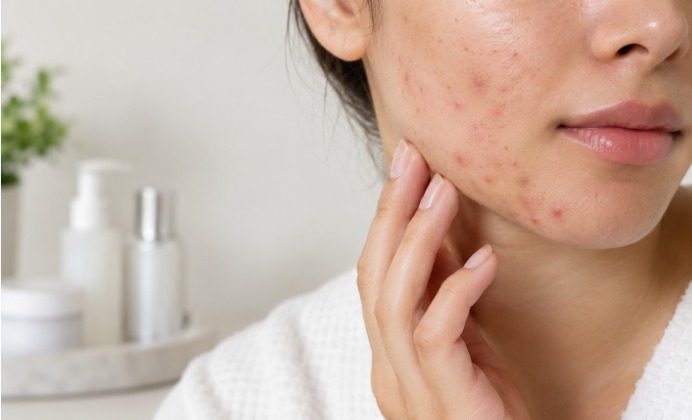
Acne is several problems, not one. Active breakouts, ongoing congestion and scarring each respond to different care, so a product that helps one may do little for another. Treatment also tends to look like it has failed when it is stopped too early or used on and off. Sometimes it irritates the skin enough that people give up on it.
- Active breakouts: Papules and pustules (red, raised and pus-filled spots) need treatment that calms inflammation and reduces acne-causing bacteria, not only oil control.
- Ongoing congestion: Blackheads and whiteheads, known as comedones, sit inside the pore, so cleansing alone rarely clears them. They usually need exfoliating ingredients or professional peels to help unblock pores.
What Is the Best First Step in Acne Treatment?
For mild to moderate acne, the treatments usually recommended first are topical ones. Benzoyl peroxide reduces acne-causing bacteria and helps clear blocked pores. Topical retinoids such as adapalene help stop pores from blocking in the first place. The NHS notes that both are available from pharmacies, and that dryness, redness and stinging are common in the first weeks, which is why many people build up use gradually. Retinoids also make skin more sensitive to sunlight and are not recommended in pregnancy.
Prescription treatments come next when pharmacy options have not been enough, or when acne is moderate to severe. These include stronger topical combinations, antibiotics, hormonal treatments for some women and isotretinoin, which is generally kept for severe or persistent acne and prescribed under specialist supervision.
Professional peels tend to be considered after these first-line options have had a fair trial, or where congestion and inflammation have not settled. A peel-based course is a next step rather than a starting point for most people.
How Long Does Acne Treatment Take to Work?
Most acne treatments need several weeks to show results. The NHS says many acne treatments can take 2 to 3 months before they start to work. That timeline explains a lot of the stop-start pattern. A product often gets dropped at week three or four, before it has had a fair trial.
Some treatments also make the skin drier or more irritated at first, which is another common reason people give up early. Medcura’s team talks through what to expect before any acne treatment begins, so the first few weeks are not judged too soon.
When Does at-home Treatment Stop Being Enough?
A consistent home routine can keep mild, occasional breakouts under control for a long time. It stops being enough when spots keep returning in the same areas month after month, or when congestion will not shift despite regular care. Another sign is new marks appearing faster than old ones fade. Repeated inflamed breakouts can lead to marks and scarring over time, so it is worth getting advice sooner.
Some acne needs prescription medicine, such as severe acne with painful lumps under the skin (nodules), acne that is scarring quickly, or acne that is badly affecting your mood. If we see these signs at a Medcura consultation, we will tell you honestly and point you towards the right medical care. For persistent breakouts and congestion that home care has not settled, clinic treatment is often a good fit.
What Does Medcura’s Acne Clearing Programme Involve?
Medcura’s acne clearing programme is a structured plan built around four in-clinic acne peel sessions, with care at home between visits. It is designed for active acne, congestion and the inflammation that follows breakouts, and it forms the core of our acne treatment in Stanmore.
What’s included
- Professional peels: Four acne peel sessions, carefully selected to help reduce acne-causing bacteria, regulate oil production and speed up skin cell turnover. Many patients notice fewer active breakouts and smoother-looking skin over the course. Individual results may vary.
- Medical-grade skincare: An acne skincare kit provided at the start of the programme to help control breakouts and support the skin barrier. Using it consistently between visits helps maintain the progress made in clinic.
- Targeted supplements: A supplement protocol designed to support skin health and help reduce inflammatory flare-ups.
- Nutrition and lifestyle guidance: A personalised plan looking at factors that may contribute to breakouts, such as diet and stress. The NHS lists high glycaemic index diets among possible acne triggers.
Who it suits
- Active breakouts, including papules, pustules and comedones
- Ongoing congestion
- Redness left behind by previous flare-ups
Who should hold off
- Anyone currently taking, or who has recently taken, isotretinoin, until a practitioner has assessed whether a peel is suitable and when
- Anyone with an active skin infection beyond standard acne
- Pregnancy or breastfeeding
Finding the Right Next Step
Tired of starting over with every new product? Acne treatment can work, but it needs the right match for your skin and enough time to show results. If home care has taken you as far as it can, a consultation is a sensible next step.
Our team will assess your skin, talk you through your options and tell you honestly whether the acne clearing programme is right for you, or whether another route would suit your skin better. Book a consultation with Medcura.
FAQs
How long does it take to see results from acne treatment?
Most acne treatments take time, and the NHS says many can take 2 to 3 months before they start to work. With a peel-based course such as Medcura’s acne clearing programme, improvement is gradual and builds across the sessions and the weeks that follow.
Does the acne clearing programme treat acne scarring?
The acne clearing programme focuses on active breakouts, congestion and the redness left by inflamed spots. Indented or raised scars are a different concern and need a different type of treatment. If you have both active acne and scarring, bringing the active acne under control is usually the first step.
Why does acne come back after treatment?
Acne can be a long-term condition, so breakouts may return when treatment stops, especially if the triggers behind them are still there. Hormonal changes, stress and inconsistent skincare are common reasons. Keeping up a maintenance routine after a course of treatment helps many people hold on to the progress they have made.
What is the difference between acne and acne scarring?
Acne is active inflammation in the pore, such as spots and congestion. Scarring is lasting texture change left behind, and it needs a different treatment.