Skin pigmentation disorders are among the most common reasons people in the UK seek professional skincare advice. Dark patches, uneven skin tone, and marks that linger after a spot heals are all signs of a pigmentation disorder, where the skin is producing or distributing melanin unevenly.
It is one of the most common skin concerns in the UK, and one of the most mishandled. Most high-street products never address the actual cause, which is why results are slow or simply do not come.
At Medcura Clinic in Stanmore, a clinician assesses your skin first, identifying the exact type and cause of your discolouration before any treatment is recommended.
What Are the Different Types of Skin Pigmentation Disorders
Melanin production is a delicate process. When it is disrupted, the result is uneven skin tone, dark patches, or areas of lost colour.
How melanin works:
- Melanin is the pigment that gives your skin, hair, and eyes their colour
- It is produced by specialised cells called melanocytes, found throughout the layers of the skin
- When melanocytes become overactive in certain areas, they produce more melanin than the surrounding tissue, creating darker patches
- When they are damaged or destroyed, they leave behind areas with little or no pigment
Common triggers that disrupt melanin distribution:
- Sun exposure (the most frequent cause)
- Hormonal changes, including pregnancy, the contraceptive pill, and HRT
- Inflammation from acne, injury, or skin trauma
- Genetics and skin type
- Certain medications
What most people loosely call discolouration of skin is actually an umbrella term covering several distinct conditions, each of which behaves differently and responds to treatment in its own way.
Which Type of Pigmentation Do You Have?
Not all pigmentation is the same. The type you have determines which treatments are safe for your skin tone and what realistic results actually look like.
Melasma
Melasma appears as symmetrical patches across the cheeks, forehead, upper lip, and chin. It is one of the most widely seen skin pigmentation disorders in clinical practice, driven by hormonal changes from pregnancy, the contraceptive pill, or HRT. It sits in the deeper skin layers, tends to return with sun exposure, and requires ongoing management rather than a one-time fix. Daily high-SPF protection is essential for anyone managing this condition.
Medcura’s dedicated pigmentation and melasma treatment may combine prescription topicals, clinical peels, and mesotherapy to work progressively across all skin tones.
Post-Inflammatory Hyperpigmentation (PIH)
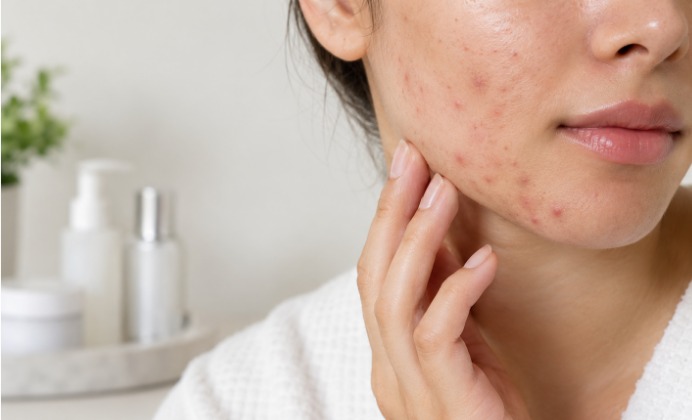
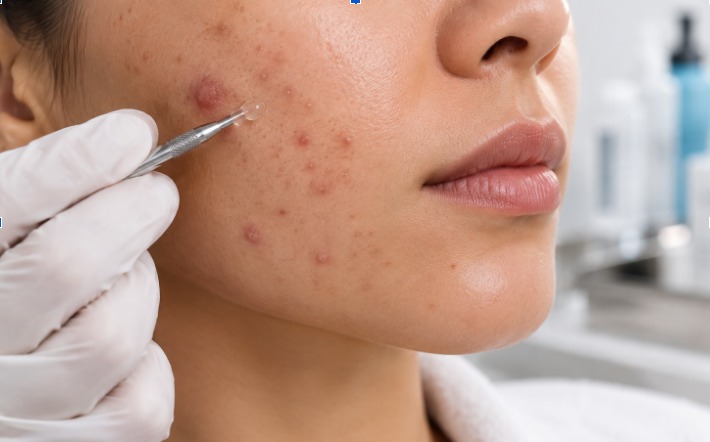
PIH is the dark mark that remains after skin trauma, whether from acne, a cut, a burn, or a harsh skincare reaction. It is particularly common in medium to deeper skin tones, where inflammation tends to trigger excess melanin production. Most cases fade over time, though the process can take months without targeted support.
Solar Lentigines: Sun Spots and Age Spots
Solar lentigines are flat, darkened areas caused by cumulative UV exposure, appearing most often on the face, hands, and shoulders. This form of dark pigmentation on the face becomes more common from the mid-thirties onwards and, unlike freckles, does not fade during the winter months.
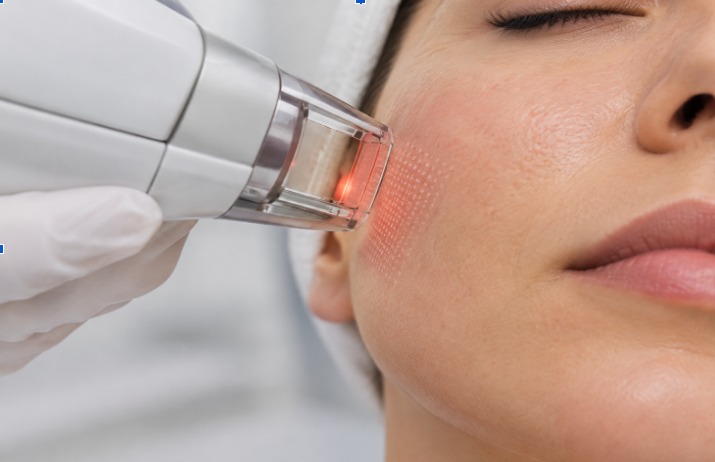
IPL laser treatment targets melanin-rich cells that the body then clears naturally over the following weeks.
Vitiligo
Vitiligo causes patches of skin to lose all pigment, leaving pale or white areas that contrast with surrounding skin. It is characterised by hypopigmentation (too little melanin) rather than hyperpigmentation, and while it carries no physical health risk, it can have a meaningful impact on confidence and wellbeing.
Freckles
Freckles are small, flat spots that develop from a combination of genetics and sun exposure. They are a common form of facial pigmentation that many people consider part of their natural appearance, becoming more pronounced in summer and fading slightly in winter.
For clients wanting to address freckles alongside other facial concerns, facial treatments at Medcura in Stanmore are tailored to each individual’s skin tone and specific pigmentation type.
Periorbital Hyperpigmentation
Dark circles beneath the eyes are among the most searched types of pigmentation on the face and also among the most misunderstood. They can stem from thin skin revealing underlying blood vessels, genetic pigmentation, disrupted sleep, or structural changes beneath the eye. Identifying the cause always comes before selecting a treatment approach.
How Medcura Treats Skin Pigmentation
At Medcura, skin pigmentation disorders are assessed diagnostically before any treatment begins. The focus is on identifying the exact type of discolouration of skin, accounting for skin tone and history, and building a programme that progresses safely.
Depending on the assessment, a pigmentation programme may include the following:
- Prescription-strength topicals to suppress excess melanin production
- Clinical chemical peels to lift superficial pigmentation
- Mesotherapy with brightening actives delivered into the skin
- Light-based therapy for sun-induced pigmentation on suitable skin tones
- Homecare protocols to support in-clinic results between sessions
Most programmes require 3 to 6 sessions over 3 to 6 months, with results visible from around 4 to 8 weeks. Melasma, in particular, requires ongoing management rather than a one-time course. Medical-grade skincare from Obagi Medical and PCA Skin is available through the Medcura shop for clients continuing their care at home.
Take Control of Your Skin Pigmentation
Melasma, age spots, and post-acne marks each need a different clinical approach. Using the wrong treatment is the most common reason people see little progress despite months of trying.
It starts with knowing exactly what you are dealing with. Book a consultation at Medcura in Stanmore and get a proper skin assessment before anything else.
FAQs
1. What are the most common skin pigmentation disorders treated at a clinic? Melasma, post-acne marks, and sun spots are the most common. We at Medcura see these skin pigmentation disorders regularly.
2. Can dark pigmentation on the face be permanently reduced?
Yes, in many cases. At Medcura, we use peels, topicals, or IPL to reduce dark pigmentation on the face.
3. What causes types of pigmentation on the face?
Usually sun exposure, hormones, or post-acne inflammation. Our team at Medcura identifies the exact cause before recommending anything.
4. Is facial pigmentation the same as melasma?
Not always. Melasma is just one type of facial pigmentation. Our team determines which type you have first.
5. What treatments work best for the discolouration of skin?
It depends on the cause. Our team chooses between peels, IPL, or mesotherapy based on your skin discolouration.
6. How long does it take to see results for pigmentation on skin?
It typically takes around 4 to 8 weeks for most people. We at Medcura set realistic timelines based on your skin pigmentation.
7. Are skin pigmentation disorders treatable across all skin tones?
Yes, but the approach varies. Our team at Medcura adjusts each protocol for different skin tones to treat pigmentation safely.