Obagi peel protocols represent a recognised, medically based approach to chemical exfoliation and pigment control. Delivered correctly, Obagi peels can accelerate epidermal renewal, reduce hyperpigmentation, even skin tone and improve surface texture. For patients in Harrow seeking a scientifically driven peel solution, Medcura provides Obagi peel services administered under clinical supervision, with careful assessment, preconditioning and aftercare to maximise efficacy and minimise risk.

What is an Obagi Peel?
Obagi peels are professional, medical-grade chemical peels developed to target specific epidermal and superficial dermal concerns. They are formulated to address sun damage, post-inflammatory hyperpigmentation (PIH), melasma and dull texture by encouraging controlled desquamation and stimulating dermal repair. Unlike many over-the-counter exfoliants, Obagi protocols are performed in a clinical setting where strength, timing and neutralisation are managed by trained practitioners to ensure predictable outcomes.
Clinical Rationale and Supporting Evidence
Chemical peels function by selectively removing damaged stratum corneum and upper epidermal layers, thereby promoting cellular turnover and dermal remodelling. Clinical literature and dermatological practice demonstrate that serial professional peels increase epidermal renewal and can substantially reduce superficial pigmentation. For example, serial superficial to medium peels have been associated with measurable improvements in tone and texture within a short treatment course; glycolic and TCA-based protocols are commonly cited in peer-reviewed settings for reducing visible pigmentation when combined with appropriate photoprotection and topical maintenance.
In practice, combination strategies—preconditioning the skin with depigmenting agents, followed by a tailored Obagi peel series and maintenance topicals—are shown to deliver more durable results than single interventions. This evidence-based, multi-modality approach underpins Medcura’s protocols.
Patient Assessment and Personalisation
Effective and safe Obagi peel treatment begins with a comprehensive consultation. At Medcura each patient receives:
- full medical and dermatological history review;
- Fitzpatrick skin type assessment to stratify PIH risk;
- analysis of pigment depth (epidermal vs. dermal) and pattern (melasma, lentigines, PIH); and
- discussion of expectations, downtime and maintenance.
Patients with darker phototypes (Fitzpatrick IV–VI) are managed with conservative protocols and preconditioning to reduce the incidence of PIH. Preconditioning commonly includes topical agents such as azelaic acid, niacinamide or prescription depigmenting regimens adapted to the individual.
Obagi Peel Options and Indications
Medcura offers Obagi protocols selected to match clinical need:
- Superficial Obagi peels — ideal for mild pigmentation, uneven tone and maintenance therapy; minimal downtime.
- Medium Obagi peels — used for more pronounced epidermal dyschromia and textural irregularities; requires controlled recovery.
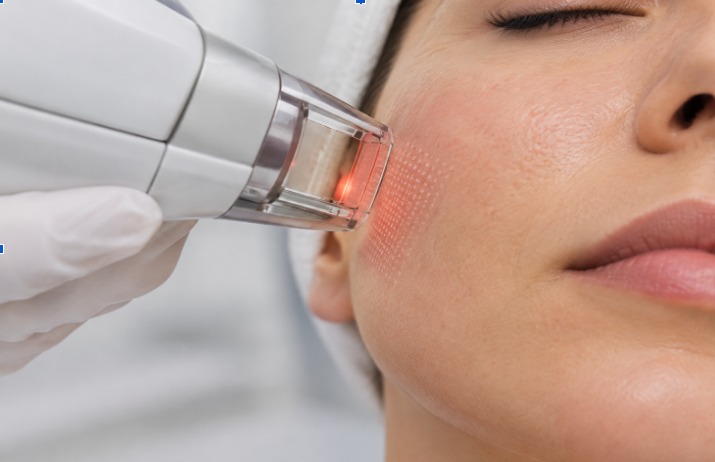
- Combination protocols — sequencing Obagi peels with adjunctive modalities (LED, targeted peels or light-based therapies) for recalcitrant pigmentation or mixed presentations.
Specific Obagi formulations are chosen for their acid composition and intended depth of action; practitioners adjust concentration and contact time to achieve consistent, reproducible effects.
Procedure and Aftercare
On treatment day the skin is cleansed and prepared. The Obagi peel solution is applied following the predetermined protocol and observed for the required contact period. Neutralisation and immediate post-peel calming agents are applied as indicated. Patients receive explicit aftercare instructions including strict photoprotection, barrier repair moisturisers and avoidance of active exfoliants until full re-epithelialisation.
Typical recovery for superficial Obagi peels involves transient erythema and light flaking over 2–4 days. Medium-depth procedures may produce more pronounced peeling over 5–7 days. Adherence to aftercare and avoidance of ultraviolet exposure are critical to preventing recurrence of pigmentation.
Expected Outcomes and Evidence-Led Expectations
Evidence and clinical experience indicate that a course of professional peels, when combined with appropriate maintenance, can deliver significant improvement in pigmentary irregularities and overall skin clarity. Controlled studies have reported substantial reductions in superficial pigmentation with serial treatments, and practical clinic data frequently show patient-reported improvements in tone and texture within three sessions. Importantly, long-term control is supported by ongoing photoprotection and topical maintenance therapy to suppress melanogenic stimuli.
Safety Considerations
Obagi peel services performed in a medical setting carry a strong safety profile when clinicians adhere to selection criteria and technique. Key safety measures include: accurate skin typing, conservative escalation for darker phototypes, proactive preconditioning for pigment-prone skins and timely management of any adverse reactions. Medcura’s practitioners prioritise these safeguards and provide follow-up to monitor healing and outcomes.
Integration with Complementary Treatments
For complex pigmentation cases or when combined textural concerns are present, Medcura frequently integrates Obagi peels into a broader plan that may include topical depigmenting agents, LED therapy to reduce inflammation and, where suitable, non-ablative light devices. Such multimodal regimens are supported by dermatological practice to enhance clearance and extend durability of results.
Conclusion
Obagi peel services in Harrow offer a clinically credible route to improving hyperpigmentation, uneven tone and superficial textural change. When delivered within a medical framework—beginning with detailed assessment, appropriate preconditioning, precision application, and disciplined aftercare—Obagi peels provide predictable and meaningful enhancement to skin clarity. For patients seeking evidence-based pigmentation correction, Medcura’s clinical peel protocols combine safety, personalisation and measurable outcomes to restore a more even, radiant complexion.