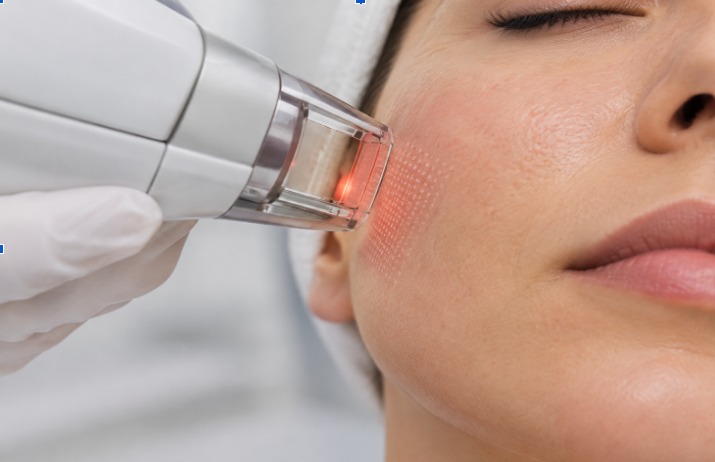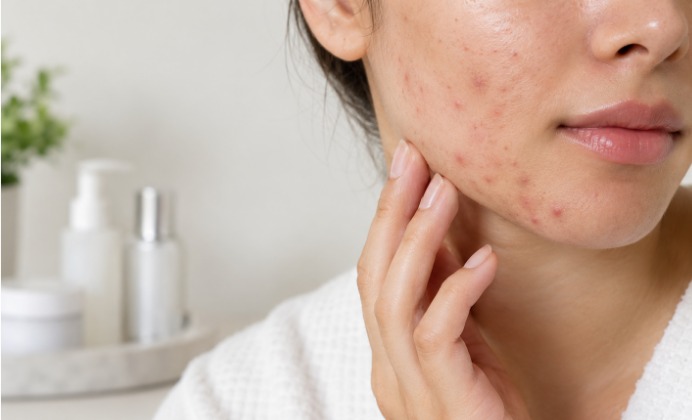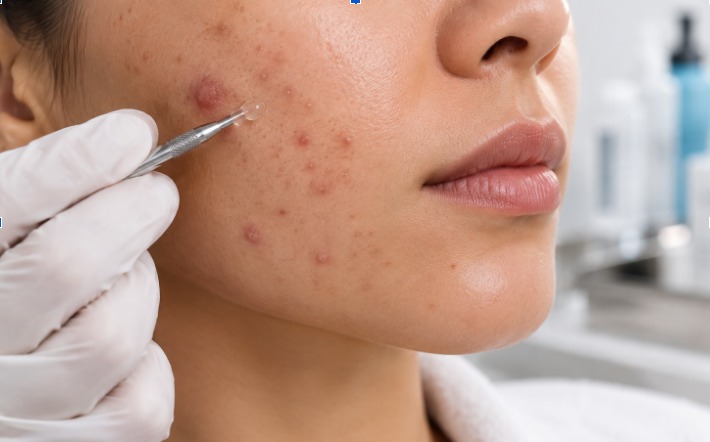
CO₂ (carbon dioxide) laser resurfacing is an established, evidence-based modality for addressing a spectrum of dermatological concerns, including deep rhytides, atrophic acne scars, photoageing and uneven texture. For residents of Edgware seeking definitive, medically supervised skin renewal, CO₂ laser treatment at Medcura provides a clinically rigorous pathway to improved skin quality with carefully managed risk and predictable outcomes.

Clinical Rationale and Indications
Fractional CO₂ lasers deliver ablative microzones to the epidermis and superficial dermis, stimulating controlled tissue remodelling and robust neocollagenesis. As a consequence, treated skin undergoes re-epithelialisation and structural improvement. Clinical studies report average scar depth reductions of 60–80% for moderate to severe atrophic scarring after an appropriate series of treatments, and consistent improvement in rhytides and photodamage parameters. CO₂ resurfacing is therefore indicated for:
- Deep facial wrinkles and perioral lines
- Atrophic acne scars (ice pick, boxcar, rolling)
- Significant sun damage and actinic lentigines
- Epidermal atrophy and textural irregularities
Appropriate case selection and parameter customisation are essential to balance efficacy and downtime, particularly in patients with higher Fitzpatrick phototypes.
Why a Medically Supervised CO₂ Protocol Matters
CO₂ laser resurfacing is a medical procedure that requires precise assessment of skin type, scar depth and patient expectations. Medcura’s protocols prioritise:
- Comprehensive pre-treatment evaluation (medical history, medications, prior procedures)
- Objective skin and scar assessment, including photographic documentation
- Conservative parameter settings for higher Fitzpatrick types to reduce the risk of post-inflammatory hyperpigmentation (PIH)
- Pre- and post-procedure optimisation (topical preconditioning, antiviral prophylaxis where indicated)
These safeguards align with peer-reviewed guidance that links clinician expertise to improved safety outcomes and sustained results.
Procedure Overview
A typical CO₂ resurfacing pathway at Medcura includes:
- Consultation and Consent — assessment of suitability, risks, expected downtime and outcomes.
- Preconditioning — topical regimens (e.g., pigment-modulating agents, barrier repair) and sun-avoidance to lower complication rates.
- Anaesthesia — topical and, if required, local anaesthesia or light sedation for patient comfort.
- Laser Delivery — fractional CO₂ patterns are applied to targeted zones; settings are adapted by the clinician based on depth required.
- Immediate Post-Procedure Care — cooling, application of soothing occlusive emollients and written aftercare instructions.
Session duration varies with treatment area but typically ranges from 30 to 90 minutes. Single-session deep resurfacing may be appropriate for some indications; more conservative fractional treatments delivered in a series are frequently used to moderate downtime.
Expected Recovery and Aftercare
Post-procedure, patients commonly experience erythema, oedema and a sensation akin to sunburn for several days. Superficial crusting and controlled desquamation follow as re-epithelialisation occurs, generally over 7–14 days depending on treatment depth. Key aftercare principles include:
- Strict photoprotection and avoidance of direct sun exposure for several months
- Regular application of barrier-repair emollients and wound-care balms as instructed
- Avoidance of active topical agents (strong retinoids, acids) until fully healed
- Scheduled follow-up appointments to monitor healing and address complications early
Clinical evidence indicates that appropriate aftercare and clinician follow-up significantly reduce adverse events and accelerate visible recovery.
Clinical Outcomes and Evidence
Fractional CO₂ resurfacing is supported by robust clinical data. Studies demonstrate substantial improvement in wrinkle severity, measured patient satisfaction and marked scar depth reduction following CO₂ protocols tailored to scar severity. In practice, a 60–80% reduction in scar metrics and appreciable textural smoothing are realistic endpoints for many patients after an appropriate treatment course. Additionally, fractional approaches have reduced complication rates compared with older full-field CO₂ techniques, providing a favourable benefit-to-risk profile when delivered by experienced clinicians.
Candidate Selection and Contraindications
Ideal candidates for CO₂ treatment in Edgware are non-tanned adults with:
- Moderate to severe photodamage or atrophic scarring
- Realistic expectations about downtime and progressive improvement over months
Contraindications include active infection in the treatment area, recent isotretinoin use (within 6–12 months depending on clinician judgement), uncontrolled systemic illness, and a history of poor wound healing or keloid formation. Fitzpatrick types IV–VI require conservative approaches and additional counselling about PIH risk.
Integration with Complementary Therapies
CO₂ resurfacing is frequently combined in a staged care pathway with adjunctive therapies—such as microneedling, RF microneedling, skin boosters and targeted topical regimens—to extend benefits and optimise texture. When scarring or pigmentation is complex, a multimodal plan yields superior, long-term results versus single modality treatment.
Safety Profile and Risk Mitigation
When administered within a medical framework, CO₂ laser treatment demonstrates a favourable safety profile. Reported complications—transient PIH, prolonged erythema, infection, and scarring—are uncommon with proper selection and aftercare. Proactive measures, including antiviral prophylaxis for patients with herpes history and conservative energy settings for higher phototypes, materially reduce risk.
Final Considerations
For individuals in Edgware seeking definitive skin resurfacing, CO₂ laser treatment offers a clinically validated option to address deep wrinkles, severe atrophic scarring and advanced photodamage. When delivered through Medcura’s medically supervised protocols—rooted in thorough assessment, evidence-based parameter selection and structured aftercare—patients can expect measurable skin renewal and sustained improvement in texture and tone.
To determine suitability for CO₂ resurfacing and to receive a personalised treatment pathway, a clinical consultation with Medcura is recommended. This ensures a bespoke plan aligned to skin type, clinical indication and realistic recovery expectations.