If you’re struggling with dark patches, persistent marks after acne, or uneven skin tone that refuses to fade, you’re far from alone. Hyperpigmentation is one of the most common skin concerns treated at Medcura , and it’s also one of the most frequently misunderstood conditions.
Hyperpigmentation develops when the skin produces excess melanin in response to triggers such as inflammation, sun exposure, or hormonal changes. At Medcura , effective hyperpigmentation treatment in Pinner focuses on a structured, evidence-based approach. This typically includes consistent daily sun protection, a carefully selected topical skincare routine, and—where appropriate—professional treatments such as medical-grade chemical peels or cautiously chosen laser technologies.
The most important factor in successful treatment is accurate diagnosis. Not all pigmentation behaves the same way, which is why identifying the specific type of hyperpigmentation is essential before deciding on the most effective treatment pathway.
Below is a clear, practical guide to help you understand hyperpigmentation and choose the right treatment approach.
What Is Hyperpigmentation?
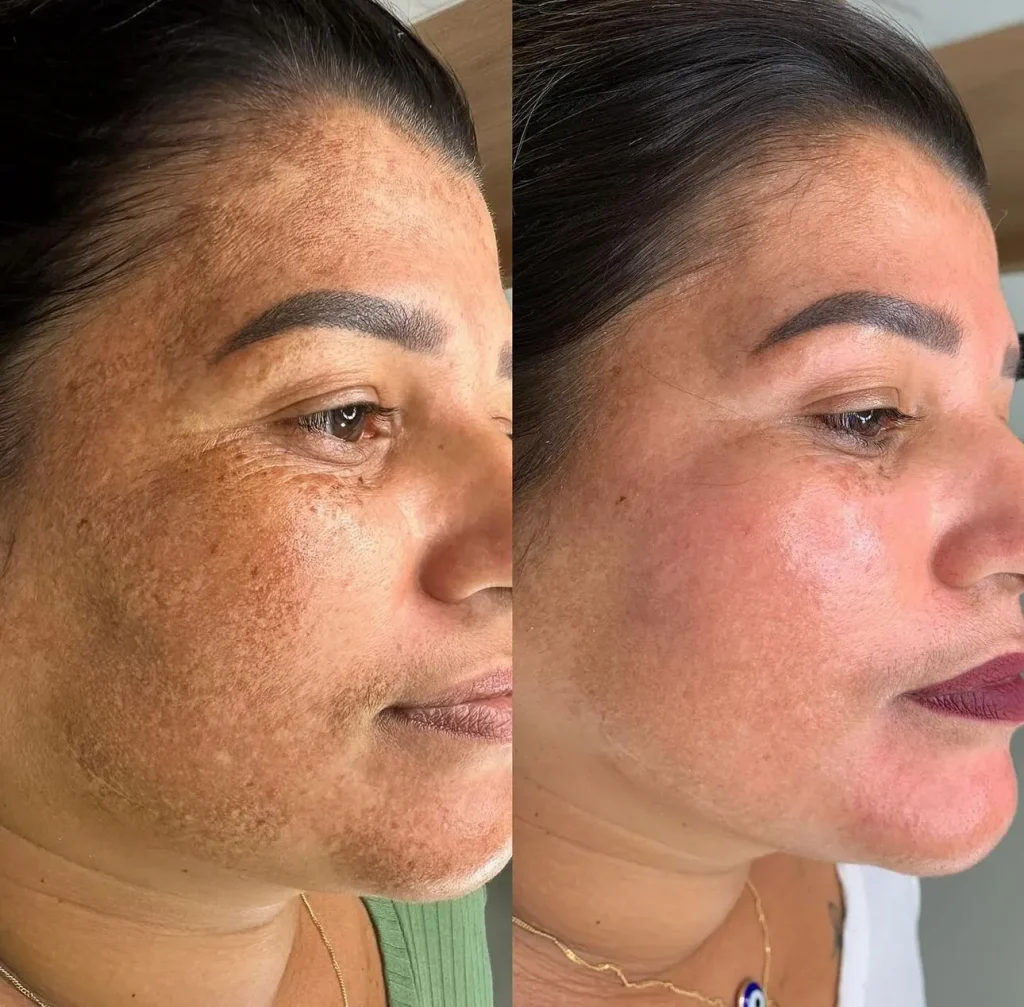
Hyperpigmentation refers to areas of skin that appear darker than the surrounding skin due to increased melanin production. It commonly affects the face but can also appear on the hands, neck, chest, and other sun-exposed areas.
While hyperpigmentation isn’t medically harmful, it can be persistent, slow to fade, and emotionally frustrating—especially when it affects confidence or makeup coverage.
Types of Hyperpigmentation
Before choosing any hyperpigmentation treatment, it’s essential to identify the type you’re dealing with. Each responds differently to products and clinic procedures.
1) Post-Inflammatory Hyperpigmentation (PIH)
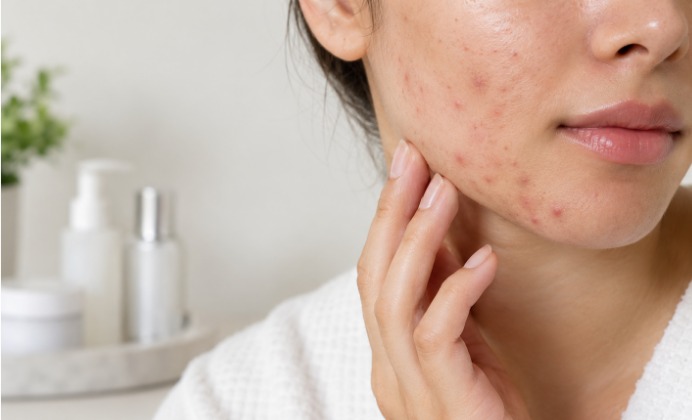
PIH is the dark mark left behind after inflammation. Common triggers include:
- Acne breakouts
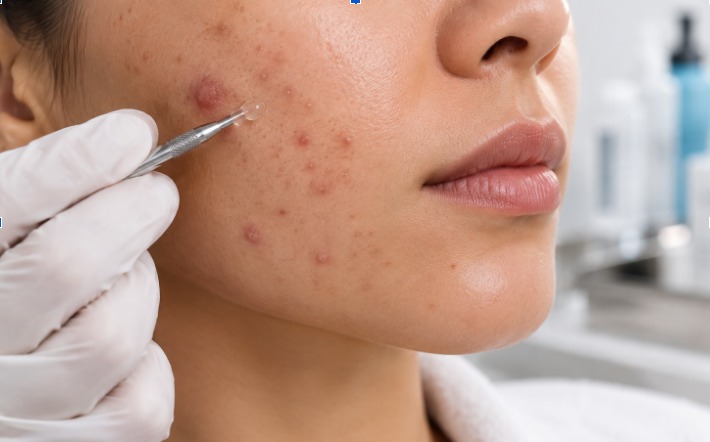
- Picking or squeezing spots
- Burns, irritation, or aggressive treatments
- Eczema or rashes
PIH often fades over time, but without targeted care, it can linger for months or even years.
2) Melasma
Melasma appears as symmetrical patches, usually on the cheeks, forehead, or upper lip. It is strongly linked to:
- Sun exposure
- Hormonal changes (pregnancy, contraception)
- Heat (including hot environments and steam)
Melasma is best managed rather than “cured.” Without consistent protection, it can return even after successful treatment.
3) Age Spots (Sun Spots)
Age spots are small brown patches caused by long-term UV exposure. They commonly appear on:
- The face
- Hands
- Areas exposed to sun for years
Because they’re UV-driven, prevention and sun protection are critical.
What Causes Hyperpigmentation?
Even with good skincare habits, pigmentation can still develop. Common triggers include:
- Sun exposure (UV): the biggest contributor
- Inflammation: acne, irritation, ingrown hairs
- Picking or friction: squeezing spots, harsh scrubbing
- Hormones: especially in melasma
- Heat exposure: can activate pigment pathways
- Wrong products: overuse of strong acids or actives
Understanding your trigger is just as important as treating the pigment itself.
Hyperpigmentation Treatment in Pinner: What Actually Works
There is no single miracle product. The most reliable approach follows three steps: protect → correct → maintain.
A) At-Home Treatment (The Foundation)
1) Daily Sunscreen (Non-Negotiable)
If you do only one thing, make it this. Without SPF, pigmentation treatments will stall or rebound.
- Use broad-spectrum SPF every day
- Reapply if outdoors or near windows
- Tinted SPF can help protect against visible light for pigment-prone skin
2) Targeted Topical Routine
An effective routine focuses on:
- Reducing melanin production
- Supporting gentle cell turnover
- Calming inflammation
Consistency matters more than strength. Overusing acids often worsens pigmentation by damaging the skin barrier.
3) Treat the Trigger (Especially Acne)
If breakouts continue, new marks will keep forming. Managing congestion and inflammation helps prevent recurring PIH.
B) Professional Clinic Treatments
If you’ve been consistent for 8–12 weeks and results are limited, professional hyperpigmentation treatment in Pinner can help.
1) Chemical Peels
Peels are particularly effective for:
- Post-acne pigmentation
- Uneven skin tone
- Mild sun damage
The strength and schedule must be carefully chosen. Over-aggressive peels can worsen pigmentation rather than improve it.
2) Medical Facials
Hydrafacial-style treatments help by:
- Deep cleansing pores
- Reducing inflammation
- Supporting skin barrier health
They won’t remove deep melasma alone, but they’re excellent supportive treatments.
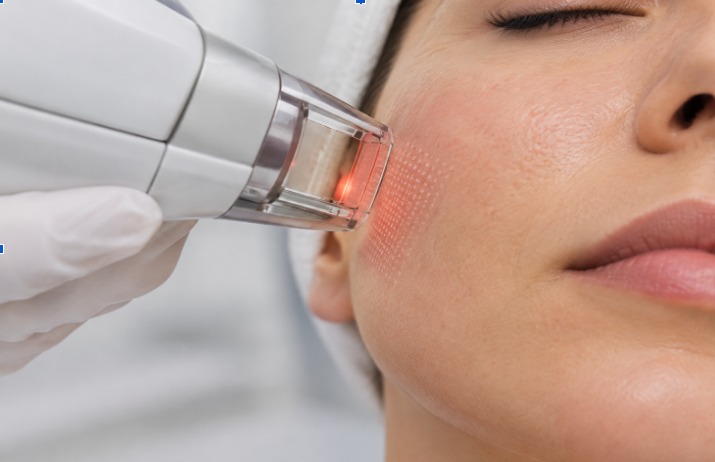
3) Laser Treatments (Only When Appropriate)
Laser is not suitable for all pigmentation types, especially melasma. In the wrong hands, it can cause rebound pigmentation.
A safe laser approach involves:
- Proper consultation and patch testing
- Assessing skin tone and pigment depth
- Strict aftercare and sun avoidance
How Long Does Hyperpigmentation Take to Fade?
Timelines vary:
- PIH: 2–6 months with consistent care
- Melasma: improvement in months, but ongoing maintenance needed
- Age spots: gradual fading with topicals, faster with targeted treatments
Most people struggle because they switch products too quickly. Pigmentation responds best to steady routines.
Mistakes That Make Hyperpigmentation Worse
Avoid these common pitfalls:
- Skipping SPF or using it inconsistently
- Picking acne or over-exfoliating
- Layering too many actives at once
- Using harsh “bleaching” products
- Ignoring the root trigger
When to Seek Professional Help
Consider a professional assessment if:
- Pigmentation hasn’t improved after 8–12 weeks
- You suspect melasma
- Acne marks keep recurring
- You’re considering peels or laser
- Any spot changes rapidly or looks unusual
Early intervention can prevent long-term marks and unnecessary skin damage.
Final Thoughts
The most effective hyperpigmentation treatment in Pinner isn’t one single product or procedure. It’s a personalised plan based on:
- Your pigmentation type
- Your skin tone and sensitivity
- Your triggers and lifestyle
With the right combination of sun protection, targeted home care, and professional guidance, clearer and more even-toned skin is achievable—without damaging your skin in the process.
Contact Medcura Clinic
Medcura Skin & Aesthetic Clinic
Ventnor Avenue
Stanmore
HA7 2HU
United Kingdom
Phone: 07586 077079
Website: Skin Treatments Harrow – MedCura Clinic Harrow